Work Samples
A collection of work spanning instructional design, facilitation, performance support, and visual design — each built with the same intention behind everything I do.
UbD Design
An Understanding by Design (UbD) template used to build the curriculum for an onboarding Financial Aid Advisor program — working backward from desired outcomes.
Fink's 3-Column Table
Investing vs Gambling
Overarching Goal: Learners will identify the psychological and marketing tactics used to target them for gambling, distinguish gambling from legitimate investing using real-world criteria, and communicate what they've learned to their families — so they can together explore small, age-appropriate first steps toward healthy financial behaviors.
| Learning Goals | Learning Activities | Assessment Activities |
|---|---|---|
Foundational Knowledge Learners will demonstrate foundational knowledge of core investing and gambling terminology and concepts, recognizing how each term connects to real financial situations they may encounter in their daily lives. | Lecture and Examples through Storytelling
| Terminology Check
|
Application Learners will apply key financial terms and behavioral concepts to evaluate real-world scenarios, distinguishing responsible investment decisions from gambling behaviors, with accuracy across knowledge, scenario-based, and definition-based contexts. | Jeopardy
| Application Check
|
Integration Learners will synthesize their understanding of gambling and investing concepts by examining common misconceptions, drawing connections between course ideas and their personal financial lives, and reflecting on how these distinctions will shape the financial choices they make now and in the future. | Discussion
| Integration Check
|
Human Dimension Learners will reflect on their own experiences with targeted gambling — including advertising, social media, sports betting apps, and peer influence — to develop self-awareness of how these forces have shaped their financial attitudes, and will establish personal boundaries and decision-making strategies for responding to gambling propositions they face now and in the future.Caring Learners will internalize the value of financial self-protection by developing a genuine, personally meaningful commitment to recognizing and resisting targeted gambling, and by cultivating an interest in responsible investing as a tool for building the future they want. | Peer-to-Peer Discussion
Discussion Questions
| Reflection
|
Learning How to Learn Learners will demonstrate self-directed ownership of their financial learning by teaching key investing and gambling concepts to a parent or legal guardian, engaging in a collaborative family conversation about responsible financial values, and co-creating an actionable plan for practicing those values in age-appropriate ways outside the classroom. |
| Presenting to legal guardian/parent terms and concepts learned from the course Action Plan Activity
Signature receipt of the form should reward/recognize the student for completing the course. |
This instructional design document was authored by Rebecca Chang on behalf of ChaChang, which retains all intellectual property rights to this work. Artificial intelligence writing assistance was provided by Claude (Anthropic, February 2026) under the full direction and oversight of the human author. All learning goals, pedagogical framework selections, instructional design decisions, and final content approvals were made by the human author. AI was used as a collaborative writing and development tool. © 2026 ChaChang. All Rights Reserved.
Fink’s 3-Column Table
A three-column table based on Fink’s Taxonomy of Significant Learning, aligning learning goals, activities, and assessment in one coherent view.
Investing vs Gambling
Schedule & Outline
| Time | Activity |
|---|---|
| Pre-Workshop | Learners complete and submit the pre-workshop questionnaire, which allows us to identify a baseline of their knowledge on the subject matter. |
| 44 minutes | Class discussion (addressing misconceptions), lecture, and examples through storytelling
|
| 5 minutes | Break |
| 12 minutes | Learners will break off into groups of three and respond to each other on the provided discussion questions. Discussion questions will be centered on the following goals:
|
| 4 minutes | Learners are broken into teams for jeopardy. Instructions are explained on how to play the game, and an example is provided. |
| 30 minutes | Learners play jeopardy.
|
| 18 minutes | Learners complete and submit their assessment activity. Learners will receive a copy of their assessment. This is used as comparative data against the pre-workshop questionnaire to assess the workshop’s learning impact. |
| 4 minutes | Learners are instructed on the homework post-workshop and the next steps to receive final credit for the session.
The information submitted through the Action Plan: Learning Application form will be used as an additional data source in assessing the workshop’s impact on learning. |
Facilitator Schedule & Outline
A facilitator schedule and outline for the Investing vs Gambling pilot workshop — a 120-minute session that helps high school students tell investing apart from gambling.
Presentation Sample
A sample presentation deck built in Canva for a high school workshop on investing versus gambling — designed to be facilitated in person, translating financial literacy concepts into content students can engage with.
Student Resource Sheet
Investing vs Gambling
Terms
| Gambling | The act of risking money or valuables on the outcome of a game or uncertain event. |
| Investing | Committing money or resources toward something expected to generate future financial growth or personal advantage. |
| Interest Rate | When you borrow money, interest is the fee charged for using someone else's funds. When you save, it becomes the return you earn on the money you set aside. |
| The Rule of 72 | A simple math formula that estimates how long it takes for your money to double at a given interest rate. |
| Buy Now, Pay Later (BNPL) | Buy now, pay later (BNPL) is a way to buy something today without paying the full amount upfront — instead, the cost is broken into smaller payments made over a set period. |
| Annual Percent Rate (APR) | The percentage that represents how much it costs you to borrow money over an entire year. |
Investing vs Gambling
| Gambling | Investing | |
|---|---|---|
| Core action | Risking money on a bet | Committing money for a return |
| Outcome driven by | Chance | Research, time, and strategy |
| Time horizon | Immediate — win or lose now | Long-term — grow over time |
| Expected return | Negative — the odds are always mathematically stacked against you. Over time, you will almost always lose more than you win. | Positive and improving — time is your biggest advantage. The longer your money stays invested, the more likely it is to grow. |
| Do you own anything? | No | Yes — a slice of a company, a bond, a property, or a skill |
The Psychology of Gambling
| Sensory Tapping | Using engaging audio and visual effects — such as flashing lights, sound effects, and animations — that hold a player's focus and encourage longer play sessions. (Gateway Foundation, 2024; Robinson, 2018) |
| Surge of Dopamine | This is the brain's built-in reward system. A chemical released in your brain that gives you a “rush-like” feeling of excitement or thrill. Dopamine levels vary the most when we feel unsure if we will be rewarded. Surges happen when you win and when you almost win. (Gateway Foundation, 2024; Robinson, 2018) |
| Near-Wins | Almost winning can be even more thrilling, activating the same brain areas. Because the same brain areas are activated, your brain cannot tell the difference between winning and almost winning. (Zald et al., 2004; Robinson, 2018) |
| The Tolerance Trap | With repeated gambling, the brain adapts, and the same activities stop producing the same rush. What once felt thrilling begins to feel ordinary, pushing you to bet more and take greater risks to recapture the rush. (Gateway Foundation, 2024; Griffiths, 2005) |
The Rule of 72
72 ÷ Interest Rate = The Number of Years to Double Your Money
| Interest Rate | Math | Years to Double |
|---|---|---|
| 1% | 72 ÷ 1 | 72 years |
| 4% | 72 ÷ 4 | 18 years |
| 6% | 72 ÷ 6 | 12 years |
| 8% | 72 ÷ 8 | 9 years |
| 10% | 72 ÷ 10 | 7.2 years |
Example: At age 15, with a parent or guardian's help, you open a savings or investment account and deposit $50 every month. You never stop. By age 65, here's what those contributions could grow to based on the interest rate.
| Interest Rate | Total You Deposited | Money “Created” by Interest | Value at Age 65 |
|---|---|---|---|
| 1% | $30,000 | $9,497 | $39,497 |
| 4% | $30,000 | $46,753 | $76,753 |
| 6% | $30,000 | $112,471 | $142,471 |
| 8% | $30,000 | $249,694 | $279,694 |
| 10% | $30,000 | $554,222 | $584,222 |
This chart is NOT: financial advice, telling you to go invest your money right now, or a guarantee of any return.
Buy Now, Pay Later (BNPL)
BNPL can make borrowing feel free, but extended plans can quietly charge you up to 36% interest per year (APR).
Example: You decide to purchase a MacBook Air laptop while earning $15/hr part-time. You decide at the checkout that you want to use the BNPL option. Here is how the Rule of 72 works on debt.
| Financing Option | APR | Term | Monthly Payment | Total Interest Paid | Total Cost After Payoff | Hours to Pay Off (@ $13.29/hr post-tax) |
|---|---|---|---|---|---|---|
| Pay in 4 (Klarna/Afterpay) | 0% | 8 weeks | $265.36/payment | $0 | $1,061.44 | 79.9 hrs |
| Affirm Monthly | 15% | 24 months | $51/mo | $173 | $1,234.44 | 92.9 hrs |
| Affirm Monthly | 30% | 48 months | $38/mo | $784 | $1,845.44 | 138.9 hrs |
*Approximate figures displayed
The 48-month MacBook plan costs nearly 59 extra hours of work — that's over a month of part-time shifts — just in interest. By the time you pay it off, the laptop is already two generations behind.
© 2026 ChaChang LLC. All Rights Reserved. For educational use only. This material does not constitute professional advice.
Student Resource Sheet
A resource sheet that gives students a single, scannable reference — pulling the most important information and next steps into one place.
Infographic
An infographic for prospective college students that makes funding options understandable at a glance.
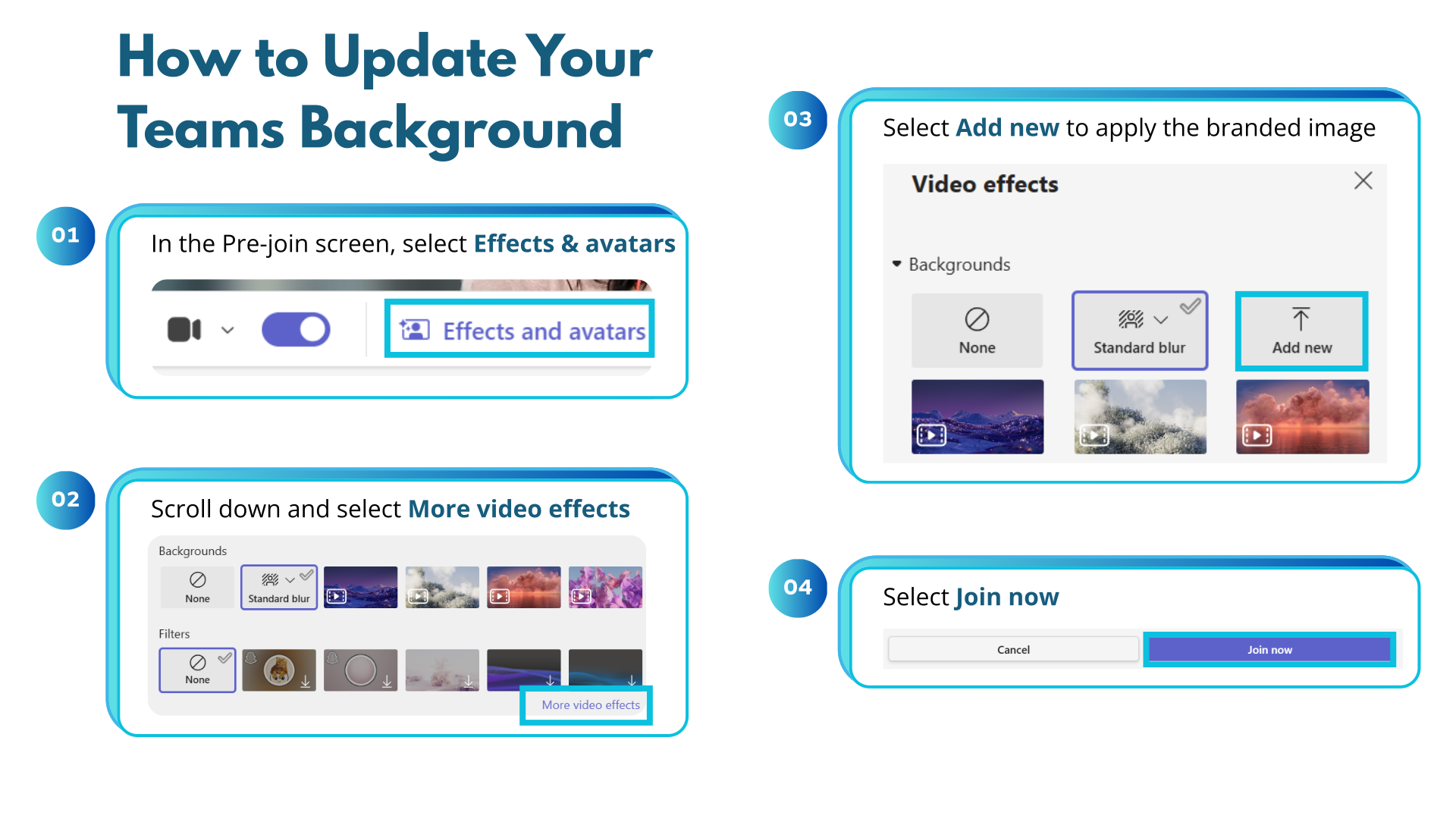
New Hire Job Aid
A Canva-designed job aid walking new hires through updating their Microsoft Teams background to a company-branded image — a simple, visual quick reference created to support consistency and professionalism from day one.
Animations
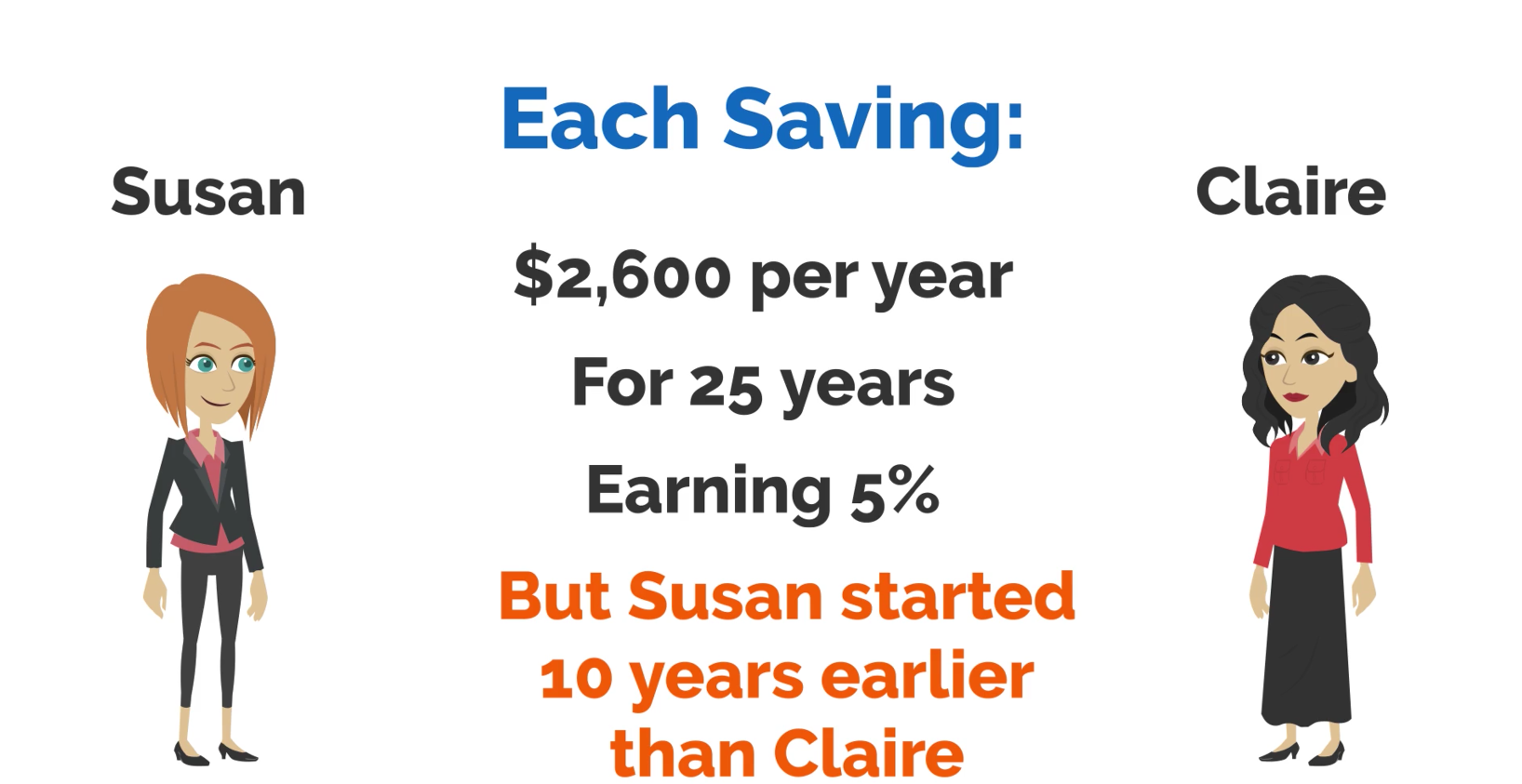
Animated learning videos created in Vyond to bring abstract financial concepts to life.